Skylights: Design Ideas for Brighter Homes
Innovative Skylight Designs for Present-Day Flat Roof Designs
Cutting-edge skylight solutions have emerged as a prominent trend in today's flat roof architectures. These installations not only improve visual appeal but also promote energy efficiency. By implementing innovative materials and technologies, designers are able to enhance natural light while reducing heat loss. As the demand for sustainable architecture rises, the potential applications and benefits of these skylights continue to broaden, inspiring a closer examination of their impact on contemporary building practices.
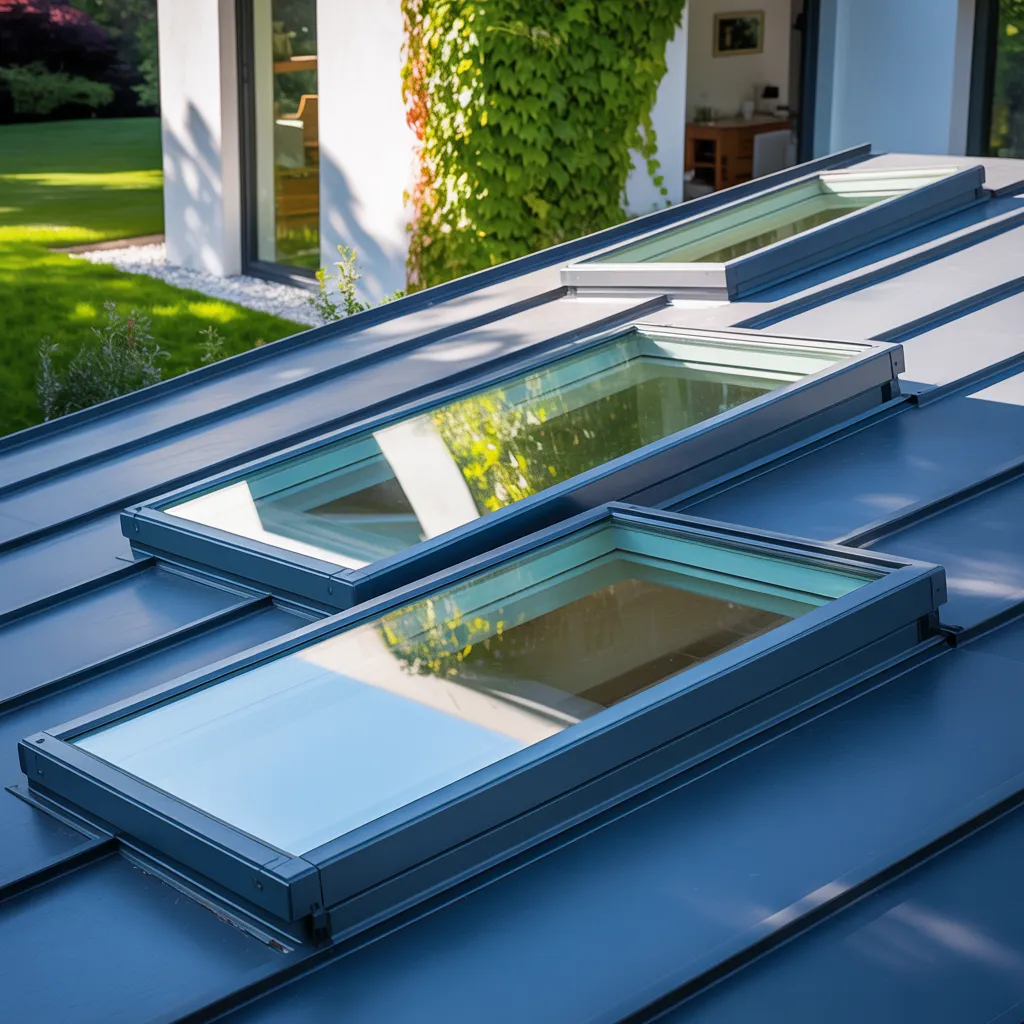
Skylights in Flat Roof Architecture: Key Benefits
Natural light functions as a transformative element in flat roof architecture, elevating both aesthetics and functionality. Skylights, strategically placed, enable sunlight to penetrate interior spaces, creating a lighter and more appealing atmosphere. This influx of natural light can diminish reliance on artificial lighting, producing energy savings and a lower carbon footprint. In addition, skylights can increase ventilation, promoting air circulation and contributing to a healthier indoor environment. Their presence can also boost the visual appeal of a flat roof design, adding architectural interest and value. Additionally, skylights can provide views of the sky and surrounding landscape, fostering a connection to nature. Overall, incorporating skylights into flat roof architecture delivers notable benefits, merging beauty with practicality.
Varieties of Skylights for Present-Day Designs
Though several skylight designs are accessible, modern architecture often opts for linked resource specific types that complement contemporary aesthetics and functionality. Fixed skylights, marked by their large, unopenable glass panels, deliver generous natural light while maintaining streamlined lines. Ventilated skylights, on the other hand, can be opened to enable airflow, boosting indoor comfort. Tubular skylights are another widely-used choice, employing reflective tubes to channel sunlight into smaller spaces without sacrificing structural integrity. Furthermore, custom-shaped skylights, such as those featuring geometric or angular designs, can be merged seamlessly into modern structures, delivering unique visual appeal. These skylights not only enrich the design of flat-roofed buildings but also promote an inviting atmosphere through the strategic use of natural light.
High-Efficiency Skylight Systems
With energy efficiency emerging as a key focus in contemporary building design, cutting-edge skylight solutions have developed to improve eco-friendliness while optimizing daylight. Advanced glazing options, including low-emissivity (Low-E) coatings, greatly reduce heat transfer, ensuring that interiors stay pleasant without excessive reliance on man-made lighting or temperature regulation. Moreover, automated shading systems can adjust to changing light levels, enhancing energy use throughout the day. Solar-powered ventilated skylights not only provide natural light but also promote ventilation, reducing the need for air conditioning. Additionally, integrated photovoltaic panels can capture sun power, supporting building power needs. These technologies together advance sustainable architecture, delivering enduring gains both for the environment and total power expenses while elevating the aesthetic appeal of modern flat roofs.
State-of-the-Art Material Solutions for Constructing Skylights
Advanced materials serve a critical function in skylight construction, particularly through state-of-the-art glazing systems that boost energy efficiency and durability. Moreover, the use of eco-friendly materials is gaining greater significance, synchronizing construction practices with ecological concerns. Combined, these innovations support the overall performance and appeal of skylights in flat roofing installations.
Advanced Glass Technology
Sophisticated glass advancements have changed skylight construction, allowing architects and builders to boost both aesthetics and energy efficiency. The incorporation of low-emissivity (low-E) glass has greatly enhanced thermal insulation, reducing heat loss and lowering energy costs. Additionally, the development of laminated and tempered glass delivers increased durability and safety, making skylights more durable against environmental factors. Innovations like self-cleaning glass and electrochromic glazing enable better maintenance and light control, further boosting the functionality of skylights. Furthermore, advanced coatings can improve UV protection and glare reduction, providing a more comfortable indoor environment. These technological improvements not only fulfill the demands of modern design but also align with the growing focus on energy efficiency in building practices.
Environmentally Responsible Skylight Materials
Green skylight materials are reshaping the landscape of building design by prioritizing environmental responsibility without compromising on performance. These materials, including bio-based polymers and recycled glass, offer improved thermal insulation and UV resistance while lowering the carbon footprint of construction. Innovations such as triple-pane systems and low-E coatings further improve energy efficiency, minimizing heating and cooling costs. Additionally, manufacturers are increasingly embracing environmentally friendly production processes, ensuring that the entire lifecycle of the skylight is sustainable. Rainwater collection systems built into skylight designs also encourage water conservation. As architects and builders embrace these materials, they contribute to greener buildings that harmonize aesthetics, functionality, and ecological stewardship, ultimately creating a more sustainable future in architecture.

Boosting Indoor Ventilation With Skylights
A properly installed skylight can substantially boost indoor ventilation by enabling natural airflow within a space. When strategically installed, skylights let warm, rising air to escape, producing a pressure difference that draws in fresh air from lower openings such as windows or vents. This natural convection process not only improves air quality and also minimizes reliance on mechanical ventilation systems. Moreover, the integration of operable skylights offers occupants the ability to control airflow, modifying ventilation based on weather conditions and personal comfort levels. In addition, increased daylighting from these openings can result in a more inviting atmosphere, further encouraging the use of natural ventilation. On the whole, skylights serve as an effective and attractive approach for enhancing indoor environments.
Planning Considerations for Flat Roof Skylights
When assessing skylights for flat roofs, enhancing natural light is crucial for improving interior spaces. Moreover, implementing energy efficiency features can substantially reduce heating and cooling costs. These design elements not only boost aesthetics but also promote sustainable building practices.
Maximizing Natural Light
How does flat roof skylight design balance maximum natural light with energy efficiency? Strategic skylight placement can significantly improve natural light penetration into indoor areas. Design professionals must evaluate skylight orientation to harness sunlight across daylight hours, employing larger or tactically positioned openings where enhanced lighting is needed. Glazing selection is critical; transparent or low-iron glass materials can enhance light passage while reducing thermal loss. Moreover, including light tubes or reflective elements can spread illumination more extensively throughout the area. The skylight frame's angle and configuration are equally important, guaranteeing the structure enhances the general design while permitting sufficient daylight to illuminate the space without affecting thermal efficiency.
Energy Conservation Features
Well-planned design of flat roof skylights includes energy efficiency features that complement natural light optimization. These features frequently include double or triple-glazed glass, which substantially reduces heat transfer, consequently enhancing insulation. Low-emissivity (Low-E) coatings are also widely used, reflecting heat during summer while retaining warmth in winter. Additionally, the integration of thermal breaks in framing materials minimizes heat loss and condensation, further improving thermal performance. Skylights can be designed with operable designs, allowing for natural ventilation, which helps in reducing reliance on artificial heating and cooling systems. Moreover, strategically placed skylights can decrease the need for supplementary artificial lighting, ultimately contributing to lower energy consumption. Together, these elements contribute to a sustainable and energy-efficient building environment.
Examples of High-Performing Skylight Installations
Which factors enable the proper installation of skylights in flat roof designs? Case studies showcase several key elements. In one noteworthy instance, a commercial building in an urban area integrated multiple skylights, enhancing natural light while maintaining energy efficiency. The choice of high-performance glass decreased heat loss, showing the importance of correct material selection. Another case involved a residential project where strategically placed skylights increased ventilation and reduced dependence on artificial lighting, demonstrating the functional merits of thoughtful placement. Moreover, collaboration between architects and contractors guaranteed seamless installation, addressing waterproofing concerns effectively. These examples stress the significance of design integration, material quality, and stakeholder cooperation in achieving successful skylight installations in flat roof applications.
FAQ
How Do Skylights Influence the Resale Value of Flat Roof Homes?
Skylights can positively influence the resale value of flat roof residences by improving natural light and energy efficiency. Prospective buyers frequently value these features, resulting in increased demand and potentially higher selling prices for such properties.
How Much Maintenance Is Needed for Flat Roof Skylights?
Standard maintenance for flat roof skylights includes checking seals for leaks, clearing debris from the glass and frame, checking flashing integrity, maintaining proper drainage, and swapping out any damaged components to copyright functionality and energy efficiency.
Can You Install Skylights in Existing Flat Roofs?
It is possible to install skylights in existing flat roofs. However, meticulous planning and professional installation are necessary to ensure proper sealing and drainage, avoiding water infiltration and structural damage down the line.
What Are the Top Skylight Brands for Flat Roofs?
Among the top skylight brands for flat roofs include Velux, Fakro, and VELUX Commercial. These manufacturers are known for their durability, energy efficiency, and innovative design, making them popular choices among property owners and design professionals.
Are Tax Benefits Available for Installing Skylights?
Tax incentives for adding skylights can vary according to location and regulations. Property owners should explore local energy efficiency programs and federal tax credits that could apply, possibly delivering financial savings for boosting natural light and energy efficiency.